2024
In June, with donor support, Curative Connections purchases two 12 passenger, wheelchair accessible busses to bring members on community outings.

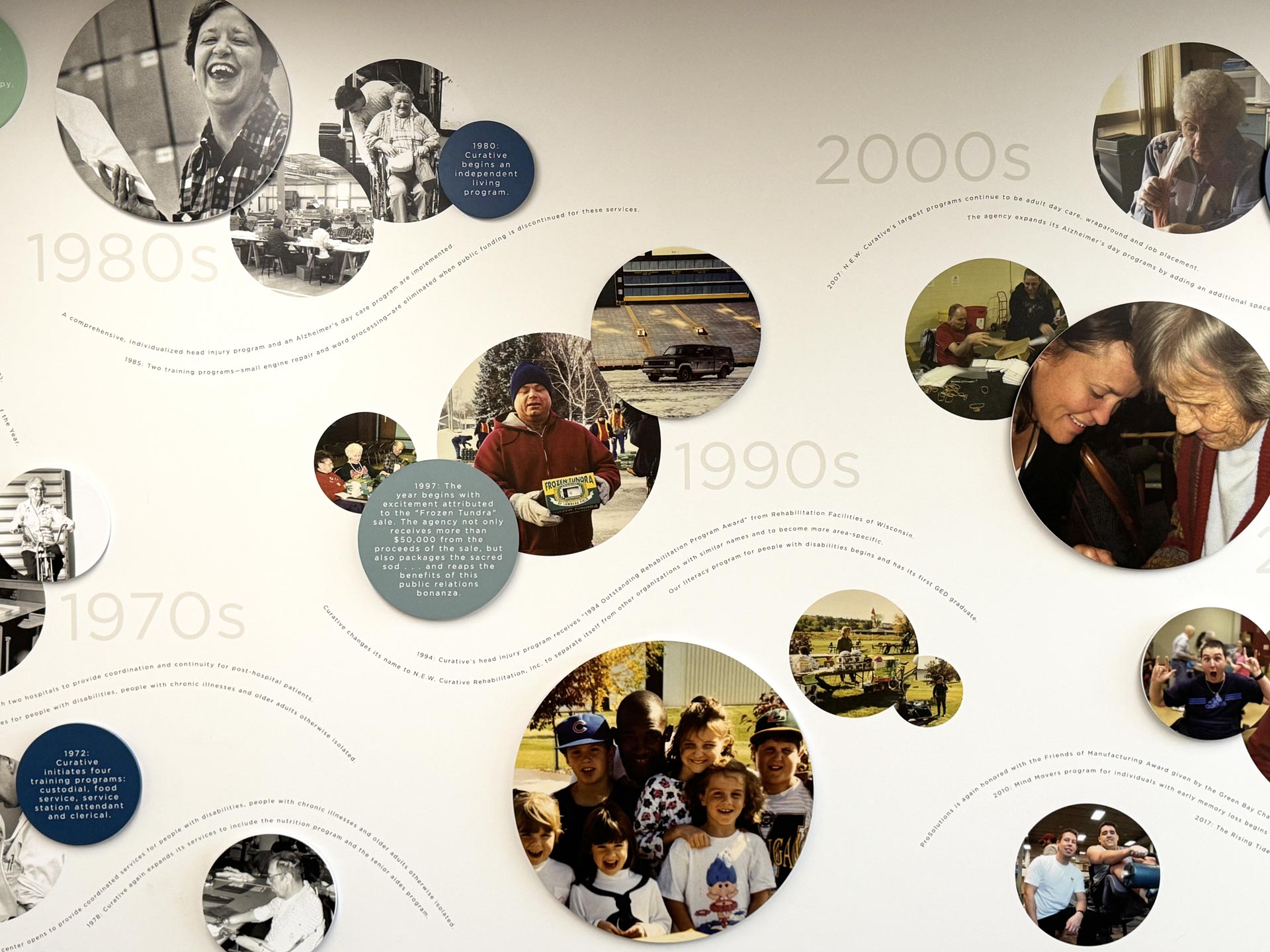
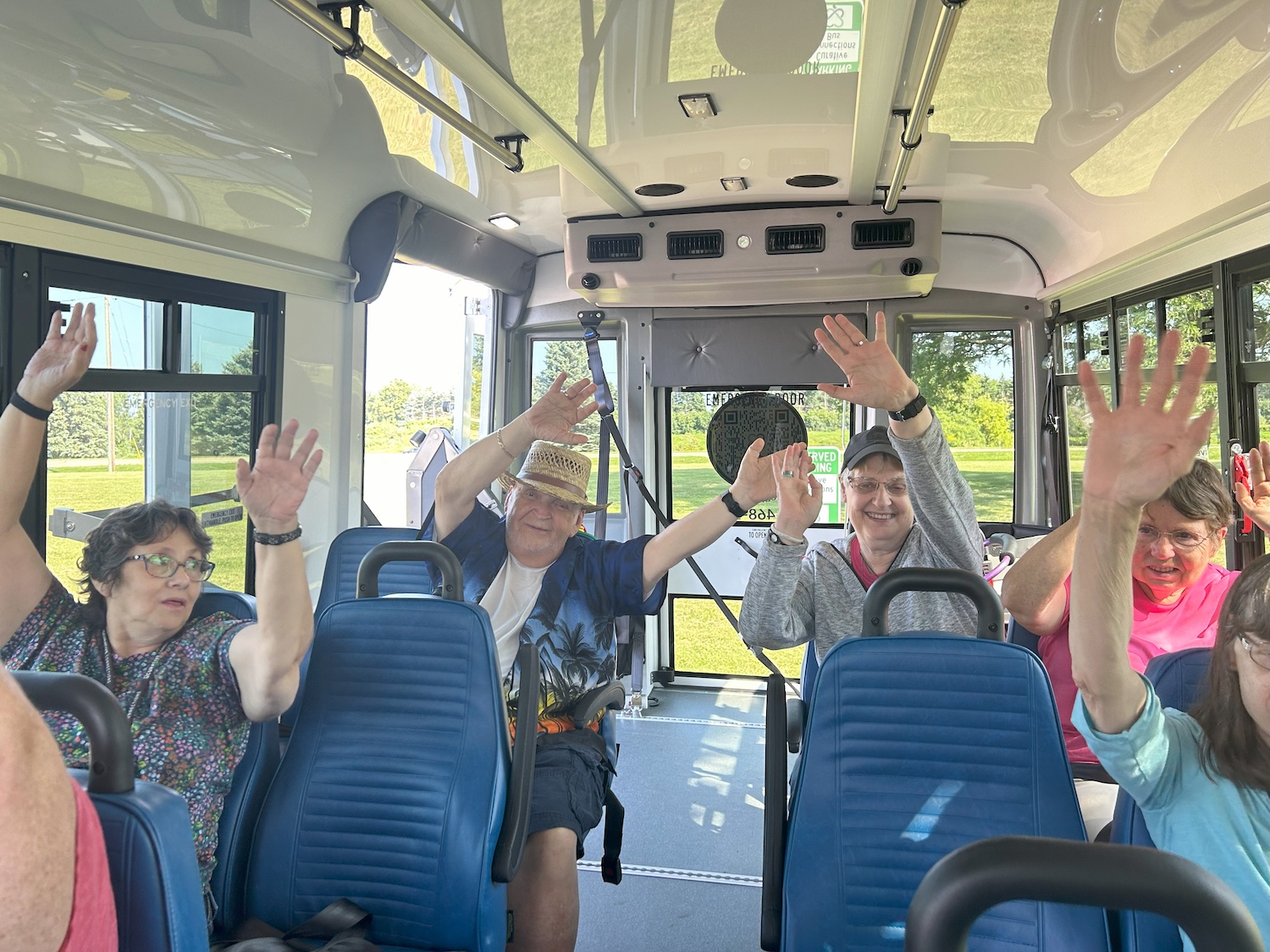
In June, with donor support, Curative Connections purchases two 12 passenger, wheelchair accessible busses to bring members on community outings.
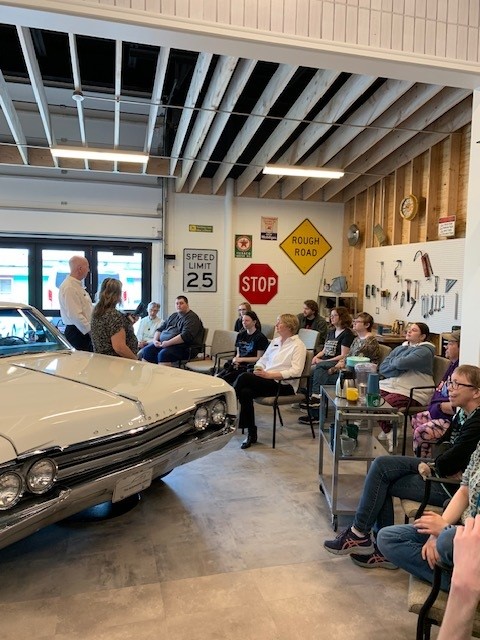
Curative Connections opens Yesteryear Village at the west side campus on April 8, 2024. Community grand opening/ribbon cutting on April 14 welcomes more than 200 guests to celebrate the innovative reminiscent care facility.
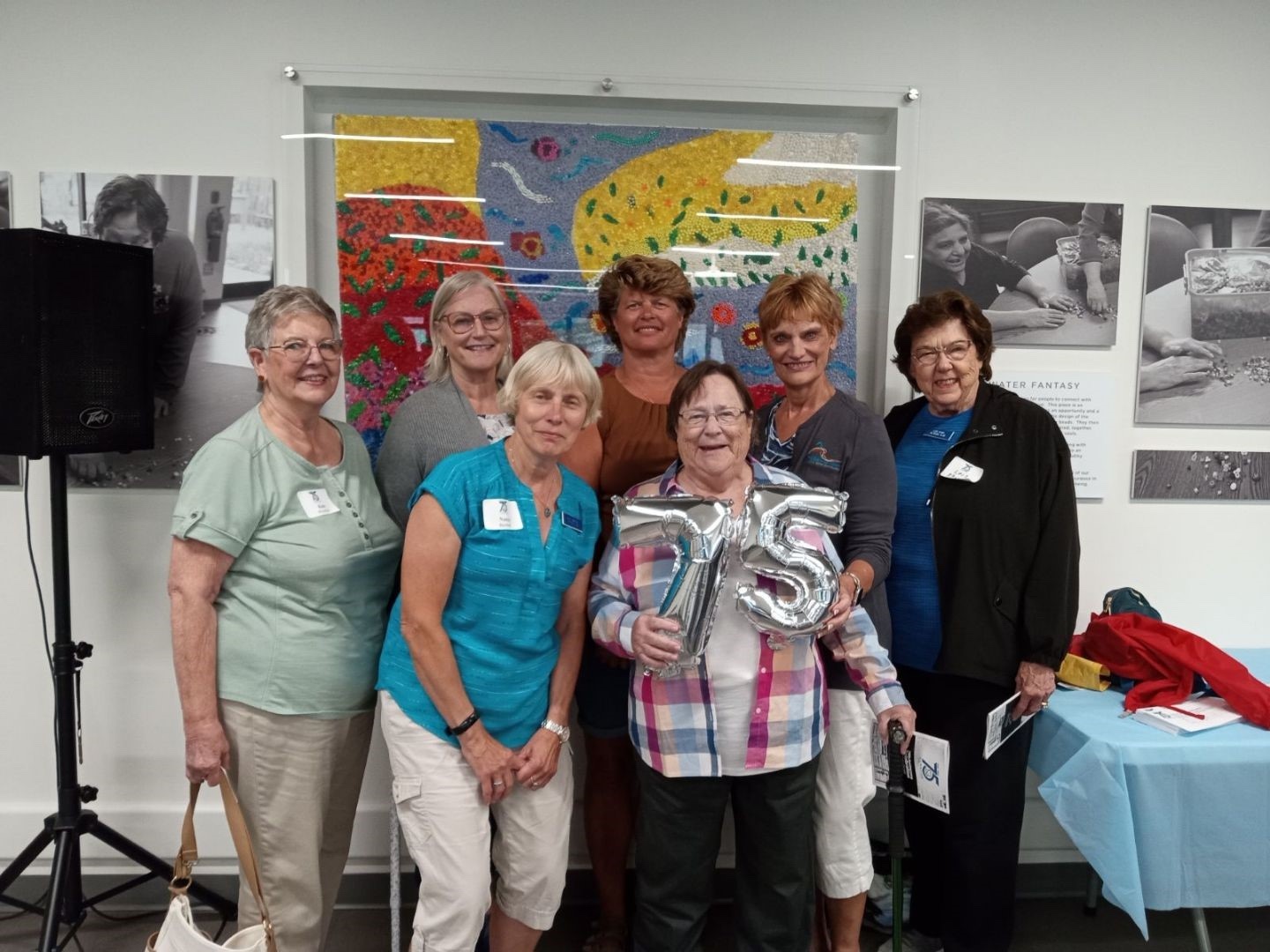
Curative Connections celebrates its 75th Anniversary on July 12, 2023.
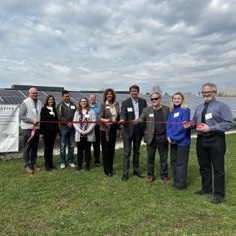
Curative Connections commissioned 624 bi-facial solar panels on green-space property, just west of the ProSolutions facility. The project was estimated to reduce annual electrical bills by 46%, saving about $40,000 annually. A ceremonial ribbon cutting celebration was held in April 2023.
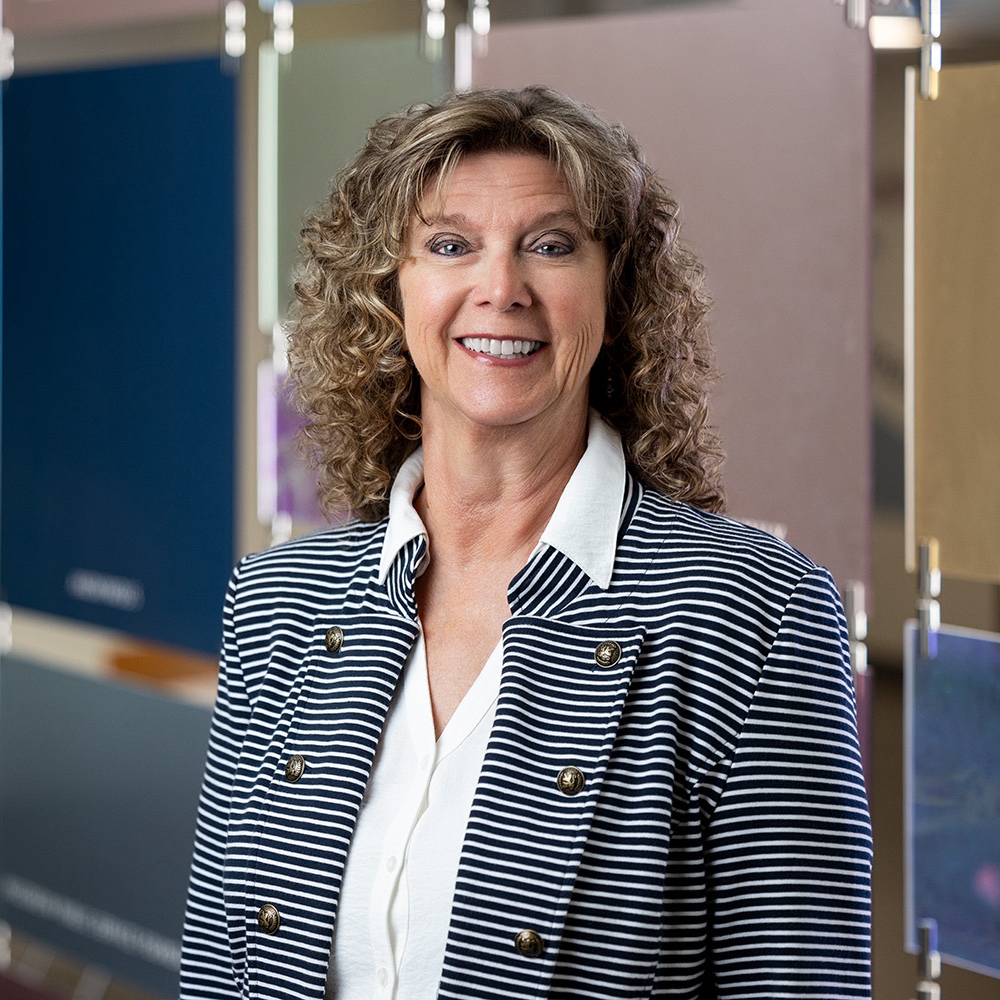
Steve McCarthy retired from Curative Connections after 9 years; he was succeeded by Jeanne Stangel as the 4th President/CEO and first female leader in Curative’s 74-year history.
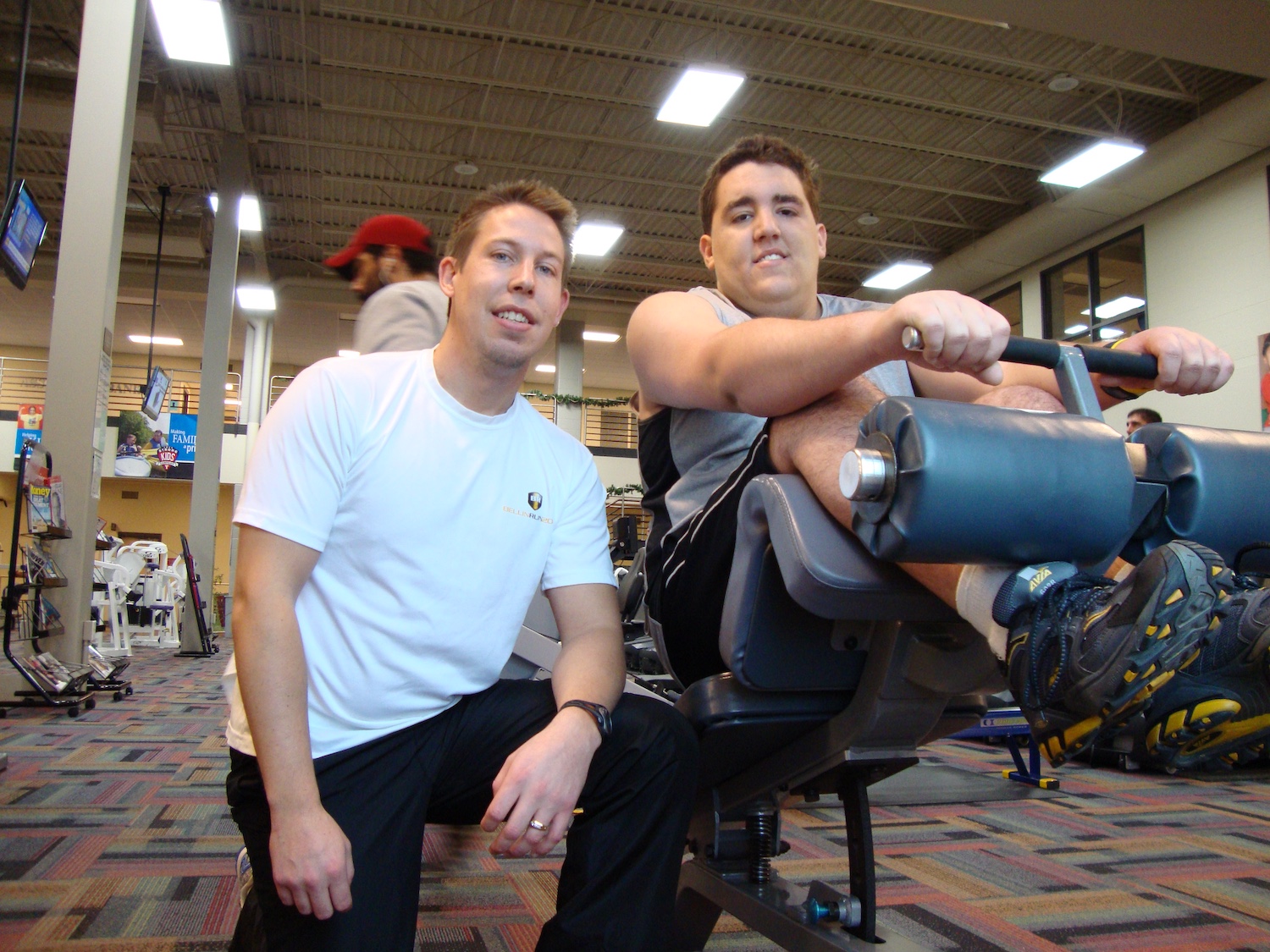
ProSolutions is again honored with the Friends of Manufacturing Award given by the Green Bay Chamber of Commerce.
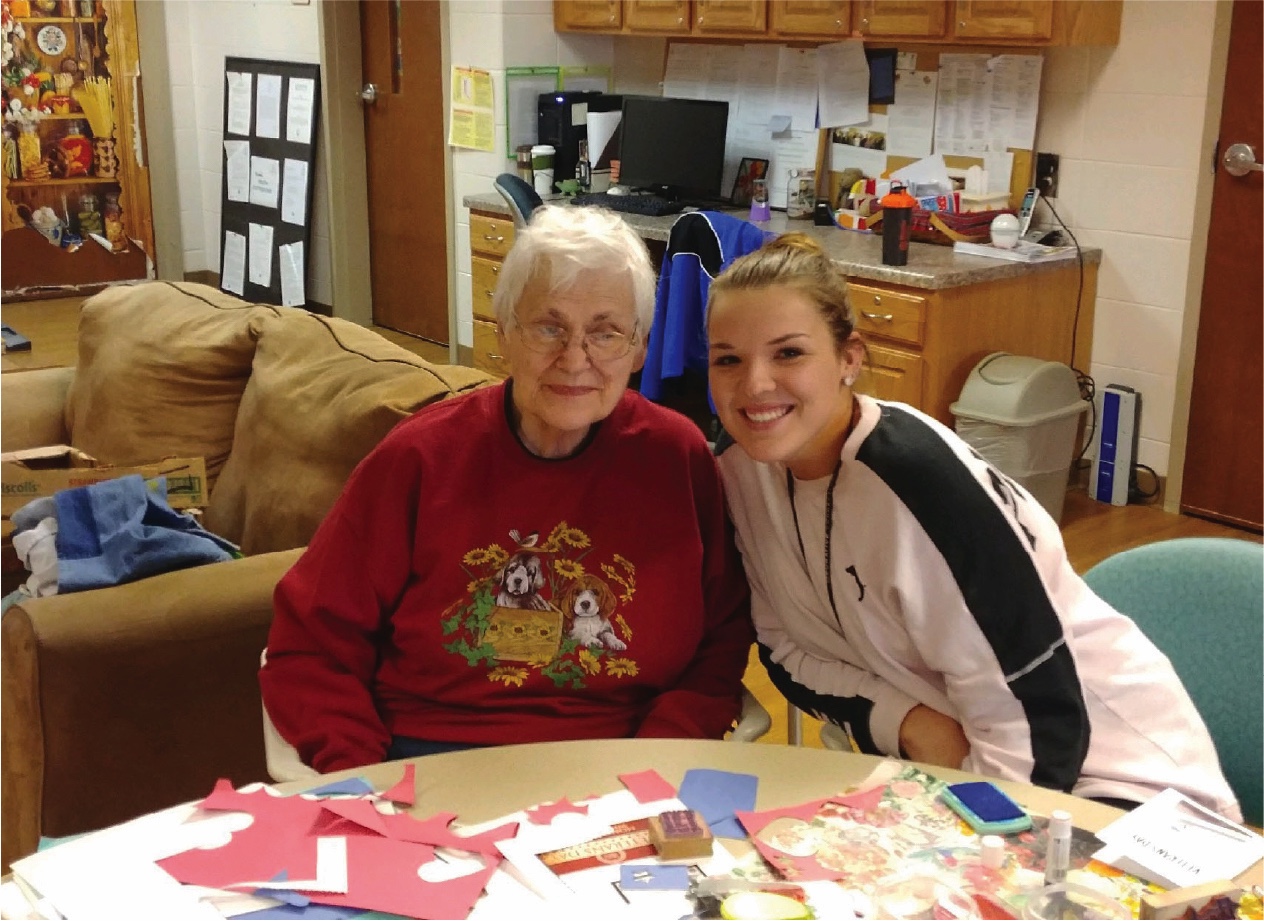
Curative surpasses its $8.5 million campaign goal and begins extensive renovations to its 65,000 square feet of space, effectively doubling its capacity for serving the community.
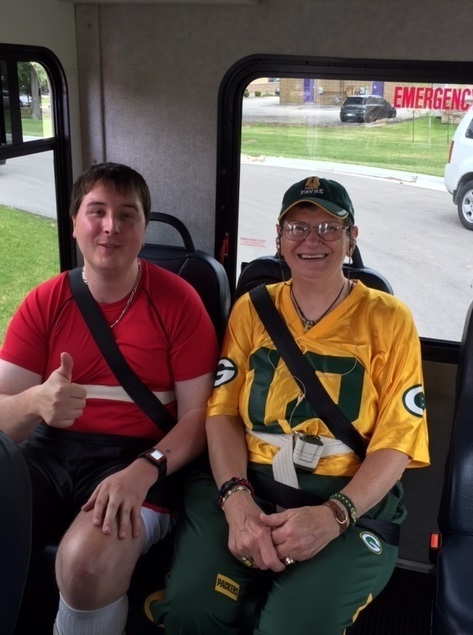
The Rising Tide capital campaign is launched to fund improvements to Curative’s main location.
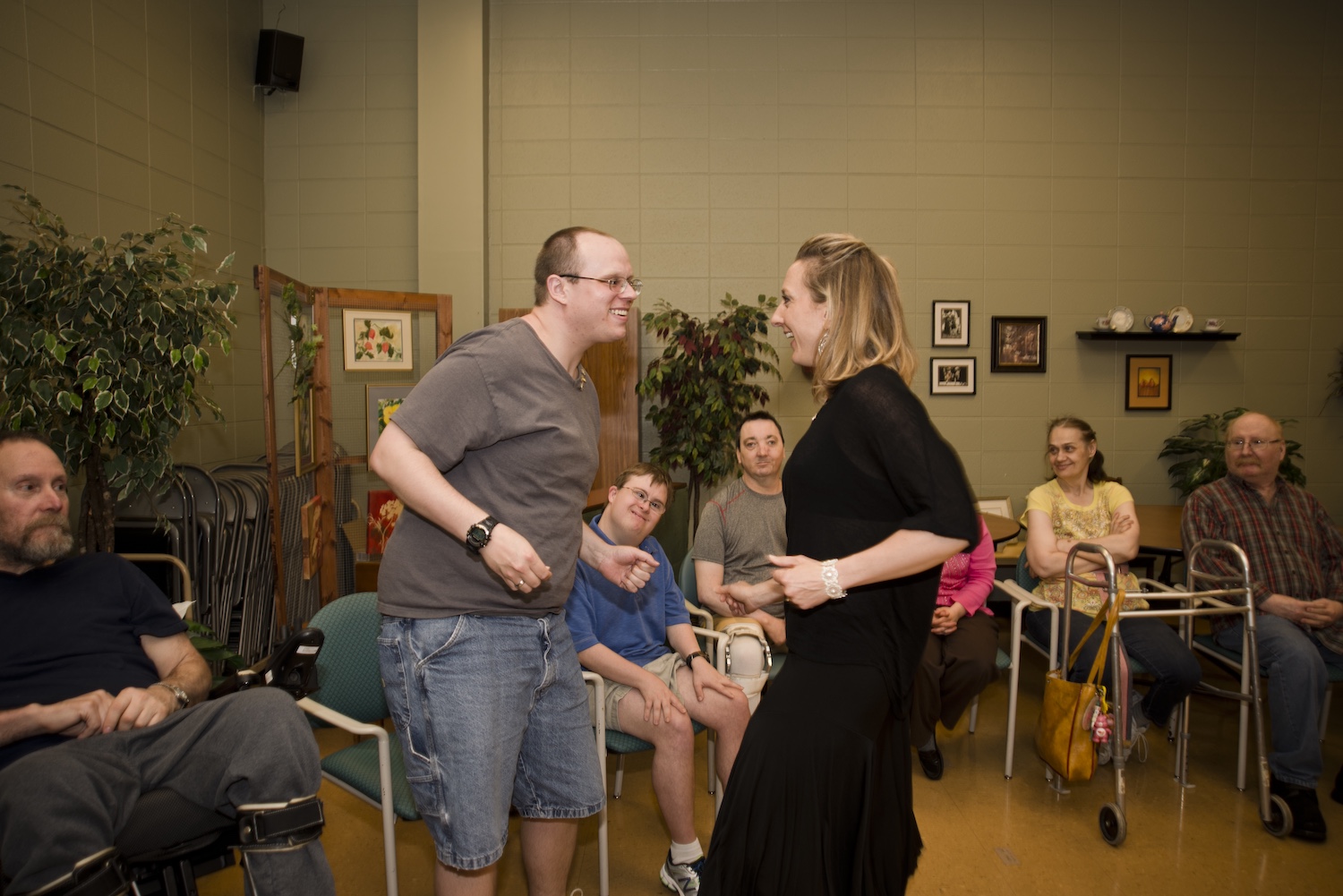
Mind Movers program for individuals with early memory loss begins in February. The program promotes brain health through social, physical and cognitive activities.
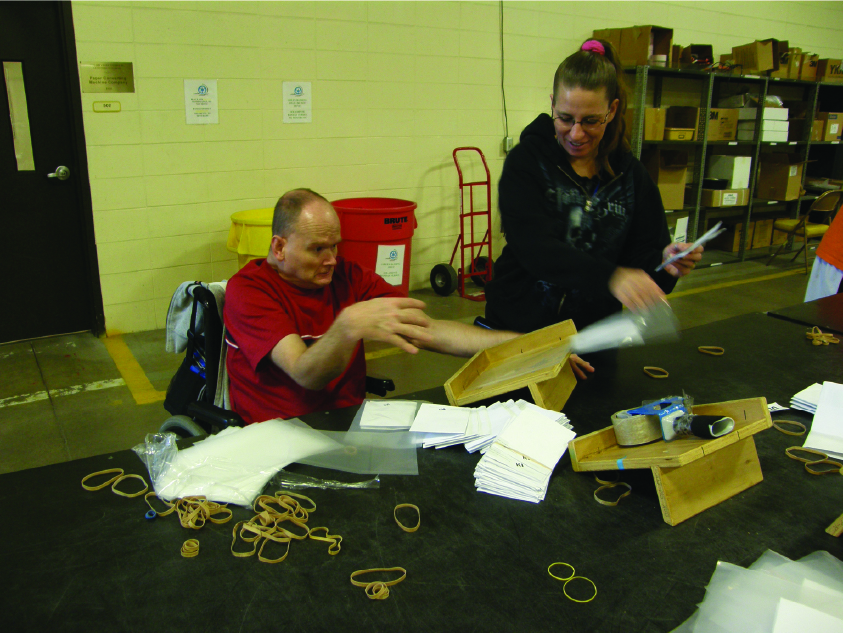
N. E. W. Curative’s largest programs continue to be adult day care, wraparound and job placement.
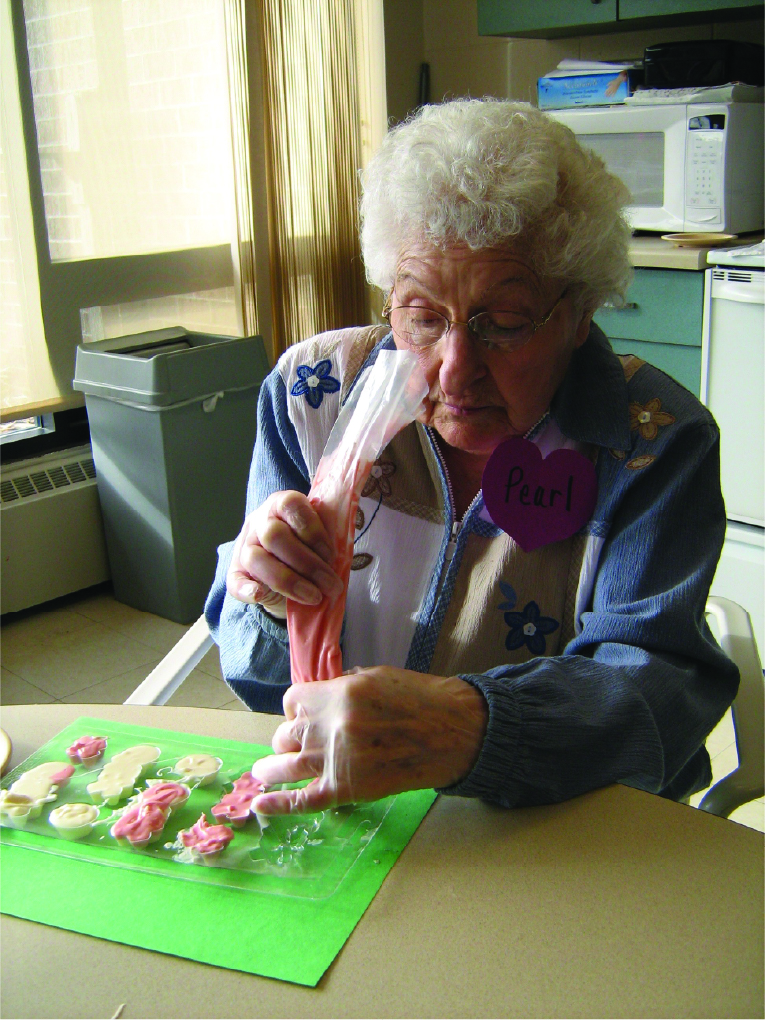
The agency expands its Alzheimer’s day programs by adding an additional space for 12-18 people, due to an ever-increasing waiting list.
A $1 million capital campaign is launched to purchase the building at 1538 Western Avenue, later named the cloud Family Care Center. Community-based supportive day programs and daily living skills programs are now the agency’s largest service areas, with 406 people actively receiving services in Brown and Door Counties.
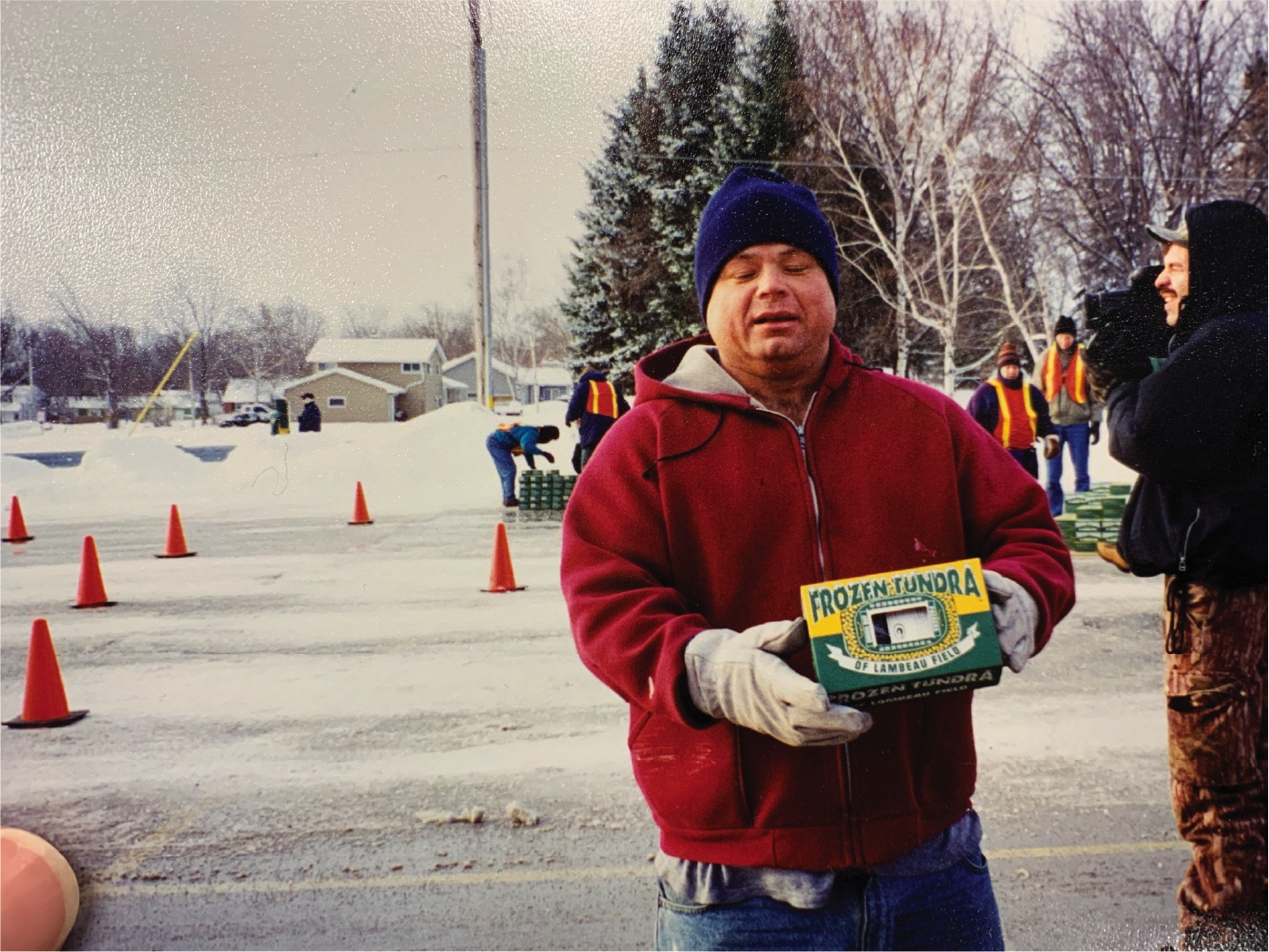
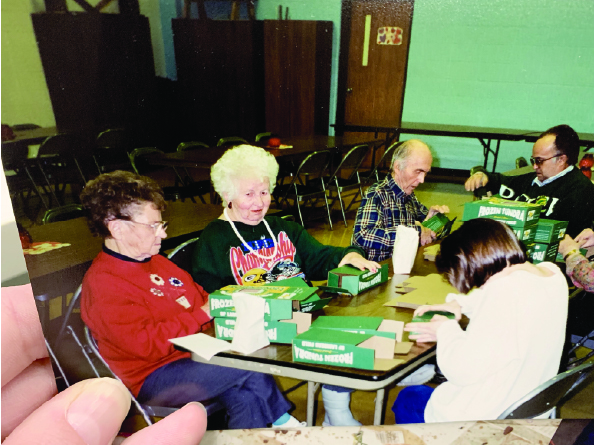
The year begins with excitement attributed to the “Frozen Tundra” sale. The agency not only receives more than $50,000 from the proceeds of the sale, but also packages the sacred sod…and reaps the benefits of this public relations bonanza.
Curative’s head injury program receives “1994 Outstanding Rehabilitation Program Award” from Rehabilitations Facilities of Wisconsin.
Curative changes its name to N.E.W. Curative Rehabilitation, Inc. to separate itself from other organizations with similar names and to become more area-specific.
Our literacy program for people with disabilities begins and has its first GED graduate.
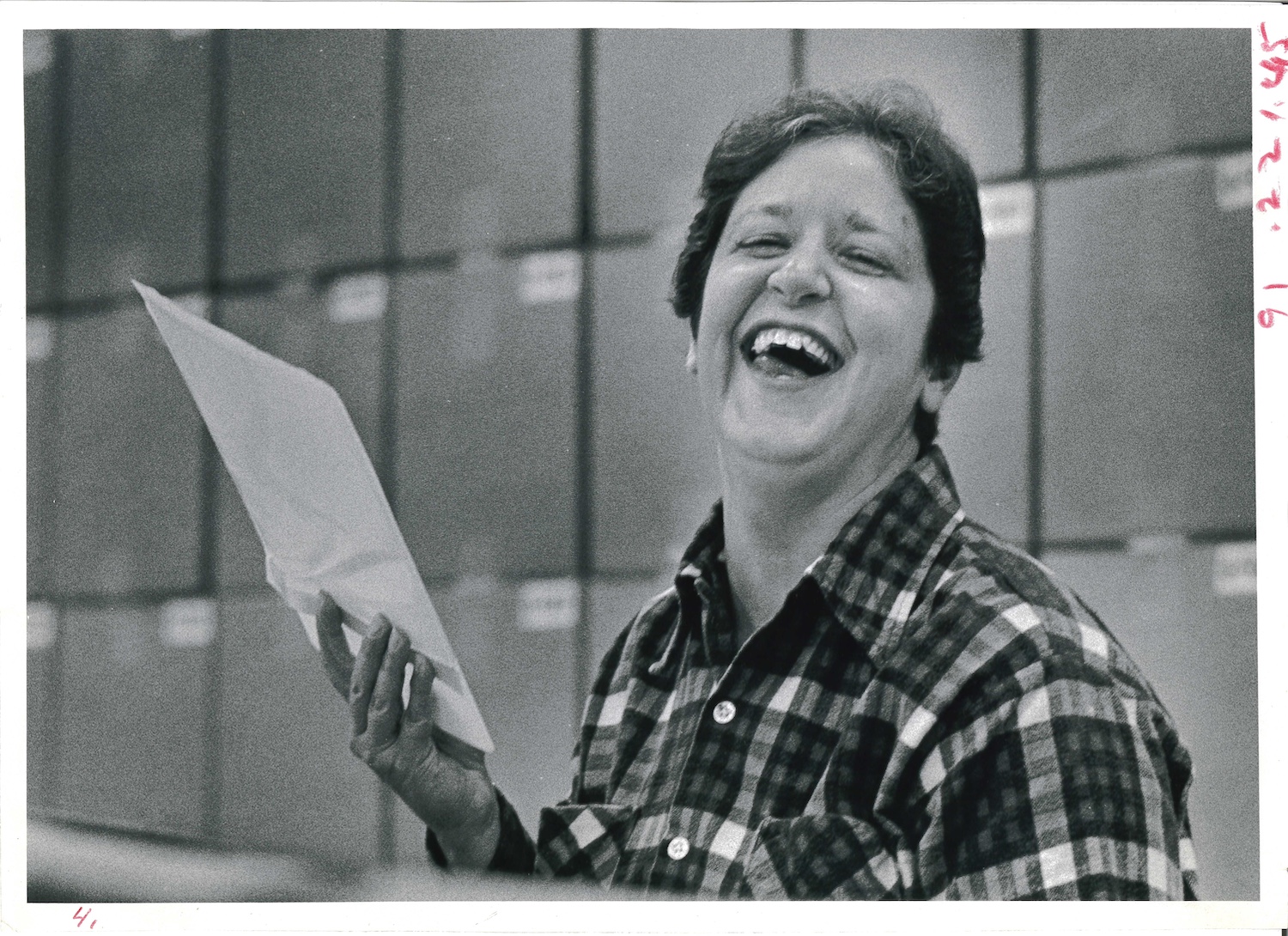
Two training programs – small engine repair and word processing – are eliminated when public funding is discontinued for these services.
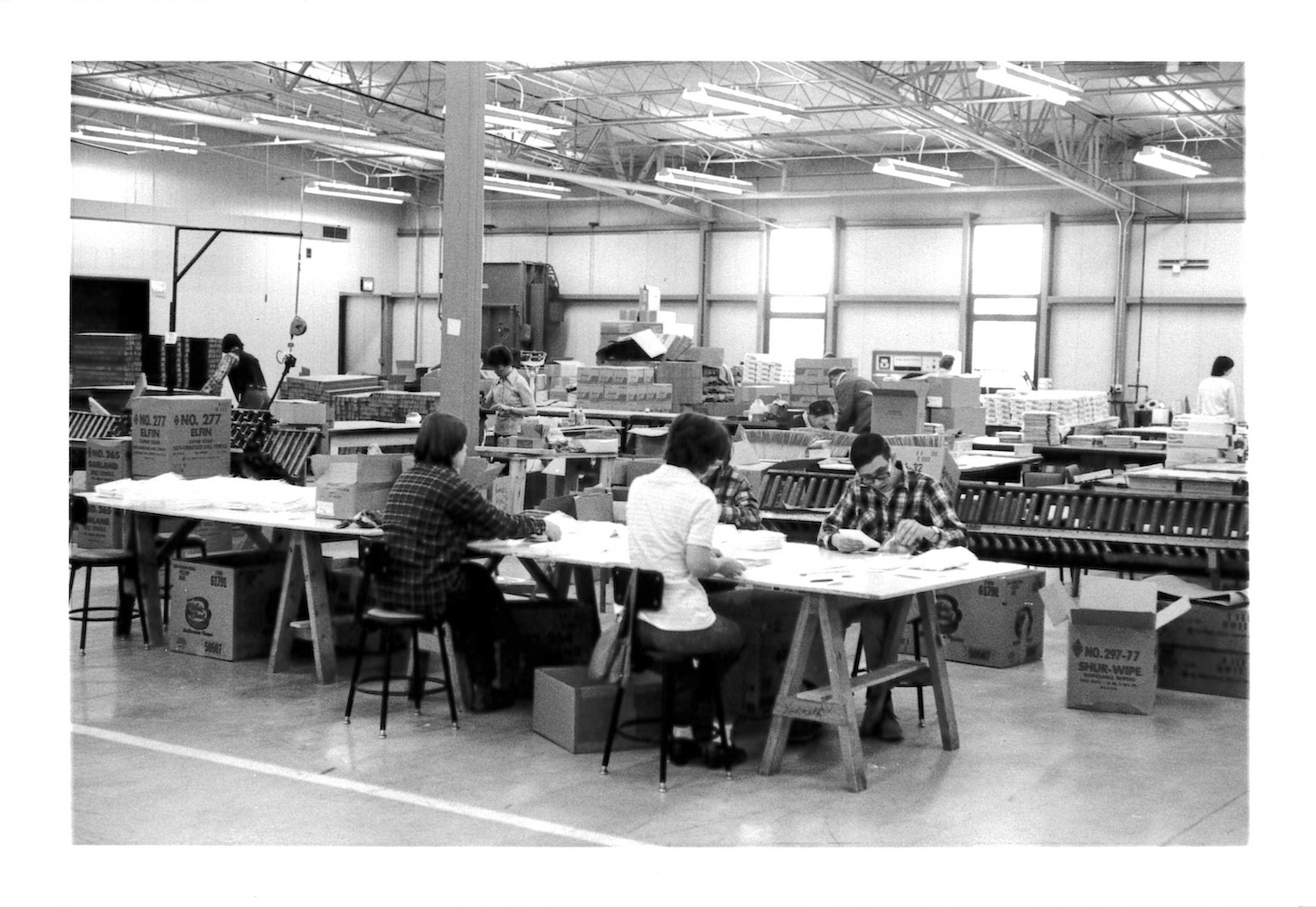
Curative begins an independent living program.
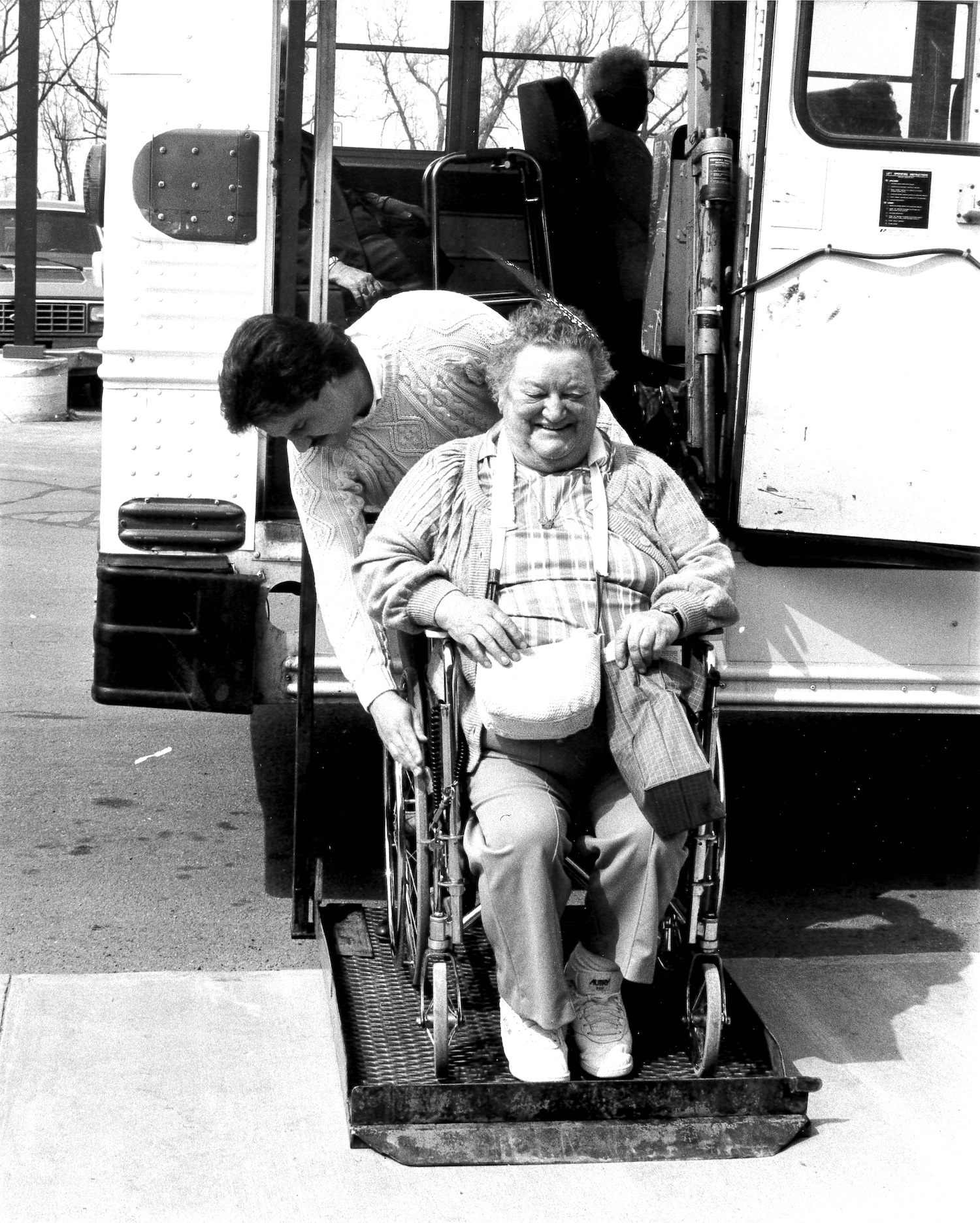
A comprehensive, individualized head injury program and an Alzheimer’s day care program are implemented.
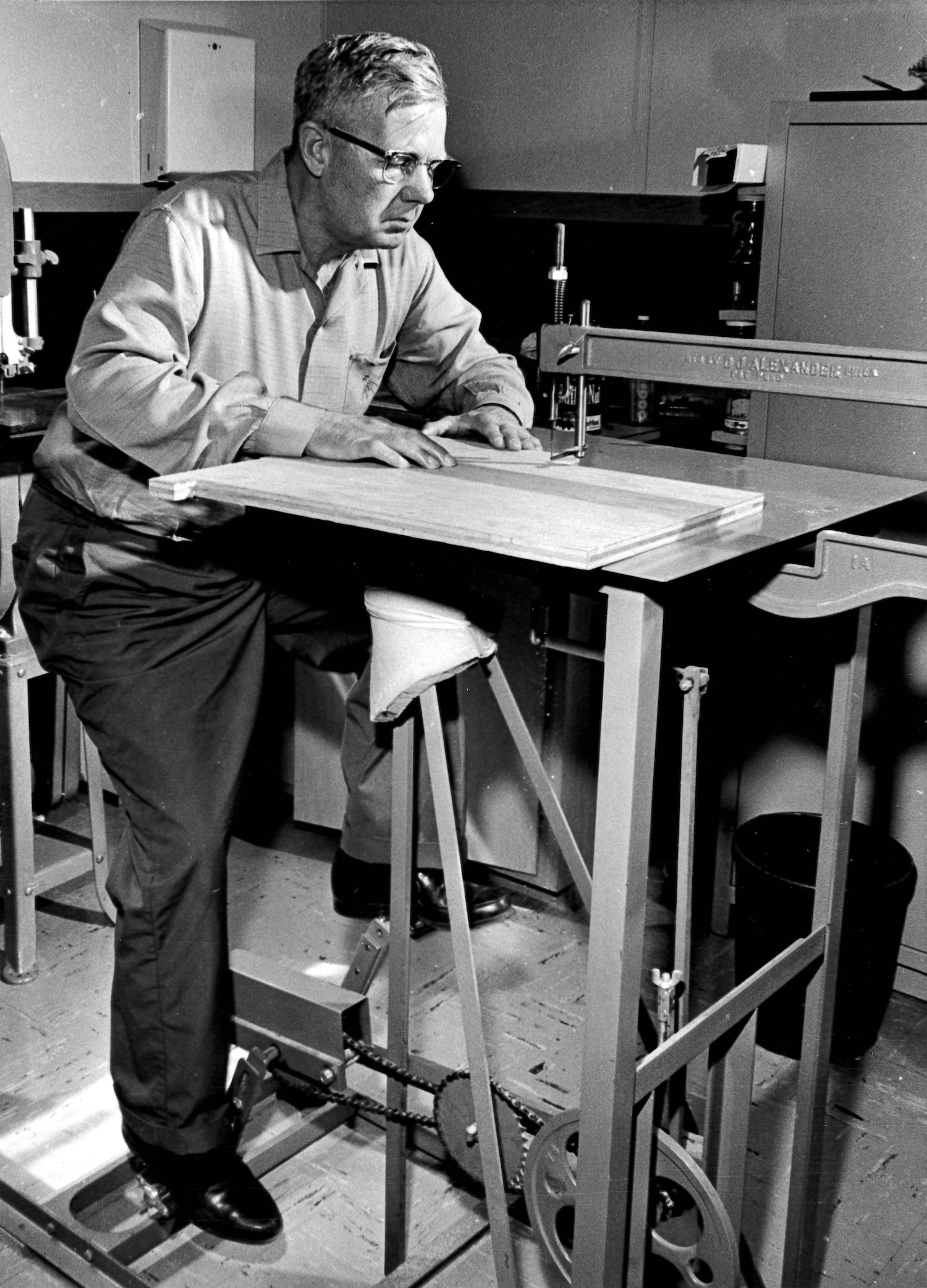
Curative again expands its services to include the nutrition program and the senior aides program.
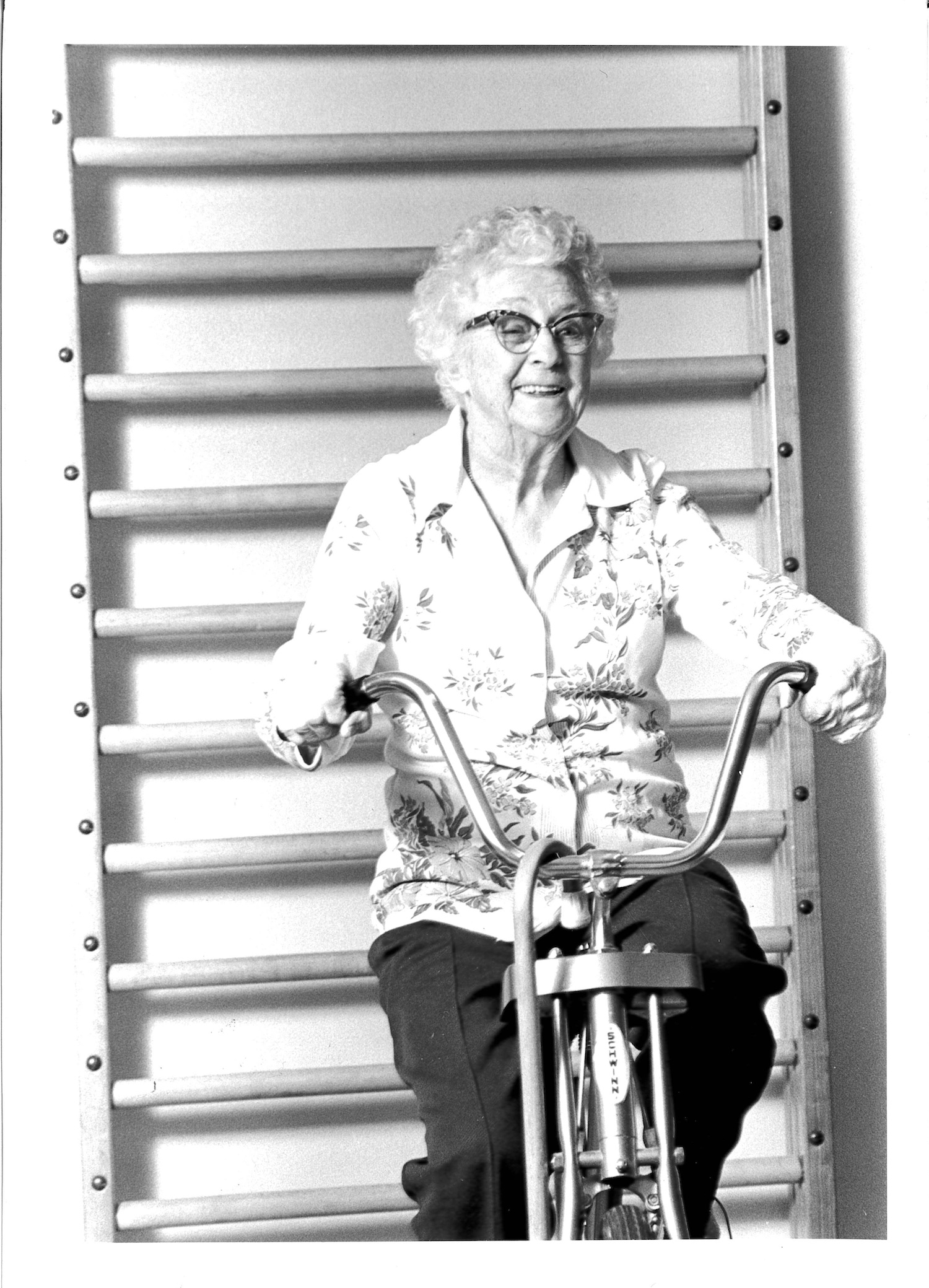
Our present center opens to provide services for people with disabilities, people with chronic illnesses and older adults otherwise isolated.
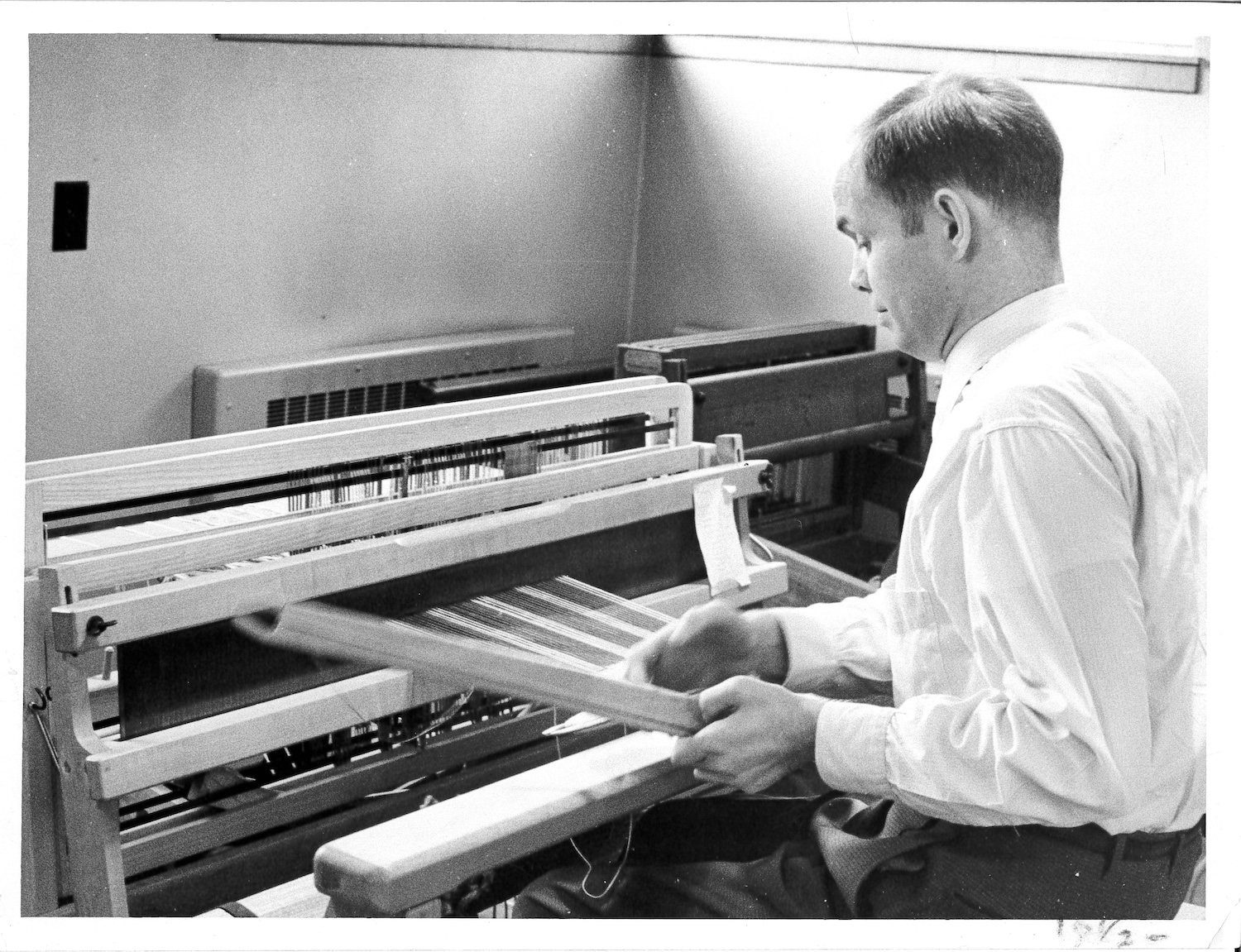
Curative initiates four training programs: custodia, food service, service station attendant and clerical.
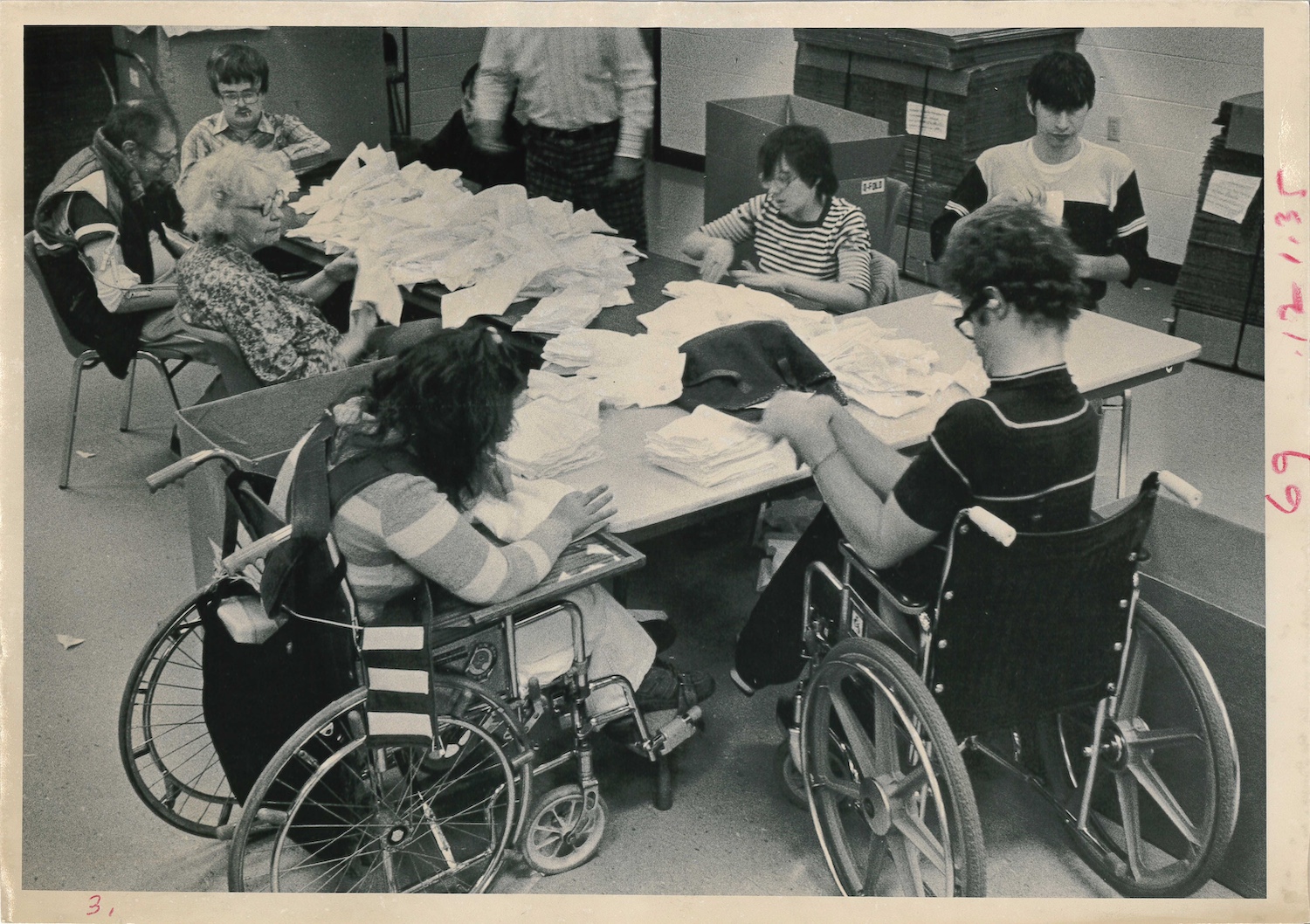
In accordance with its philosophy, Curative develops programs with two hospitals to provide coordination and continuity for post-hospital patients.
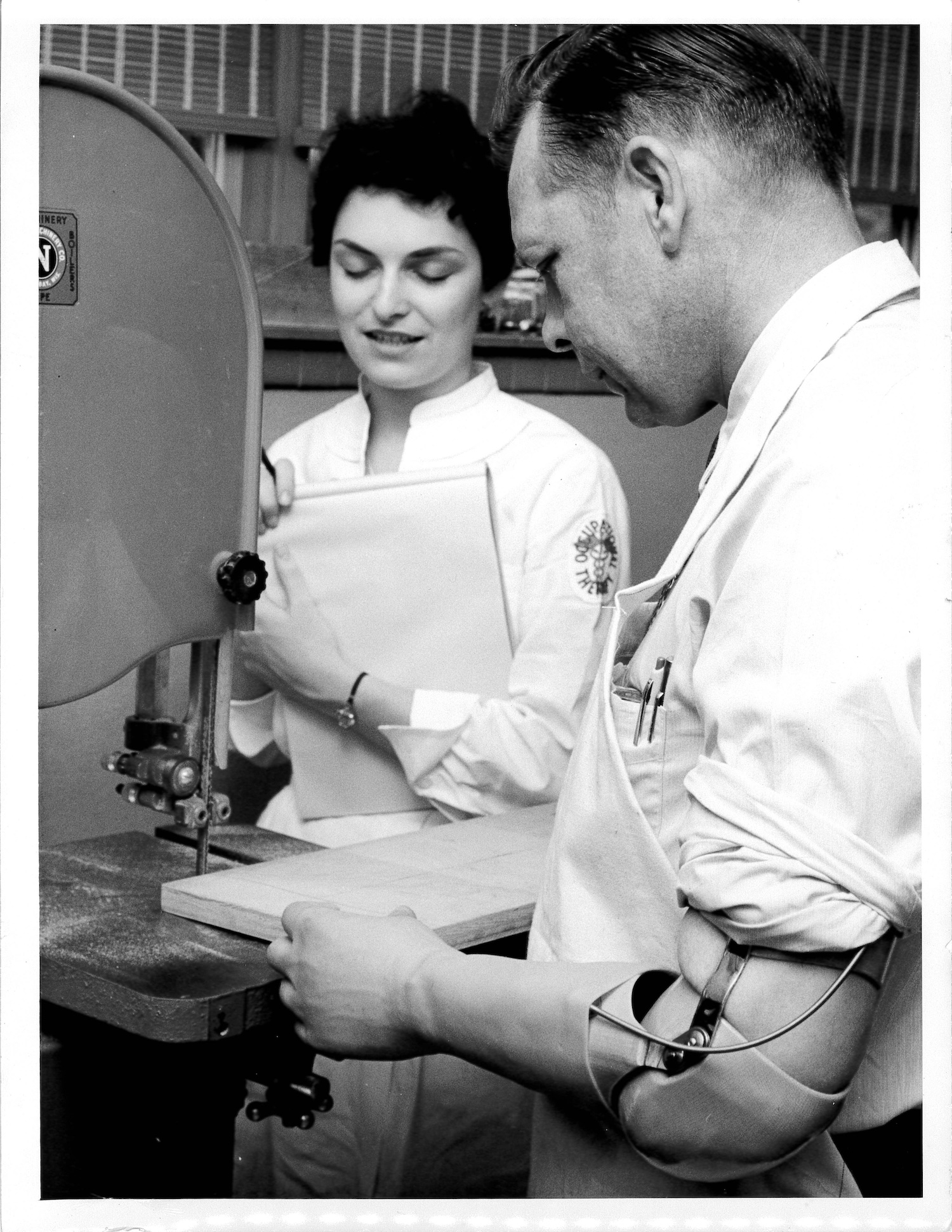
Occupational therapy is added. Curative now provides speech, physical and occupational therapy, and audiological services in the community.
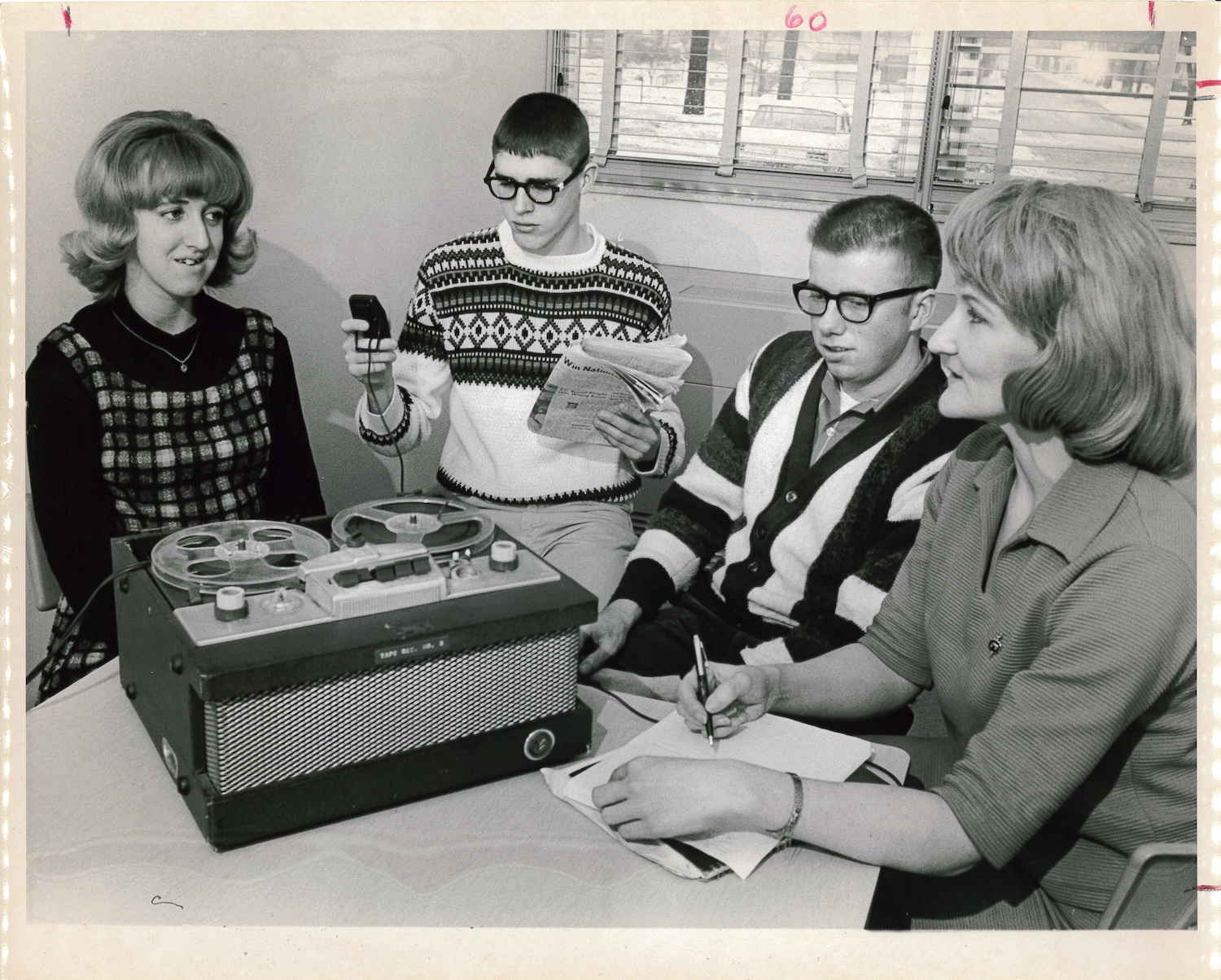
During the early 1960s, services expand to include physical restoration services provided to homebound and nursing home residents.
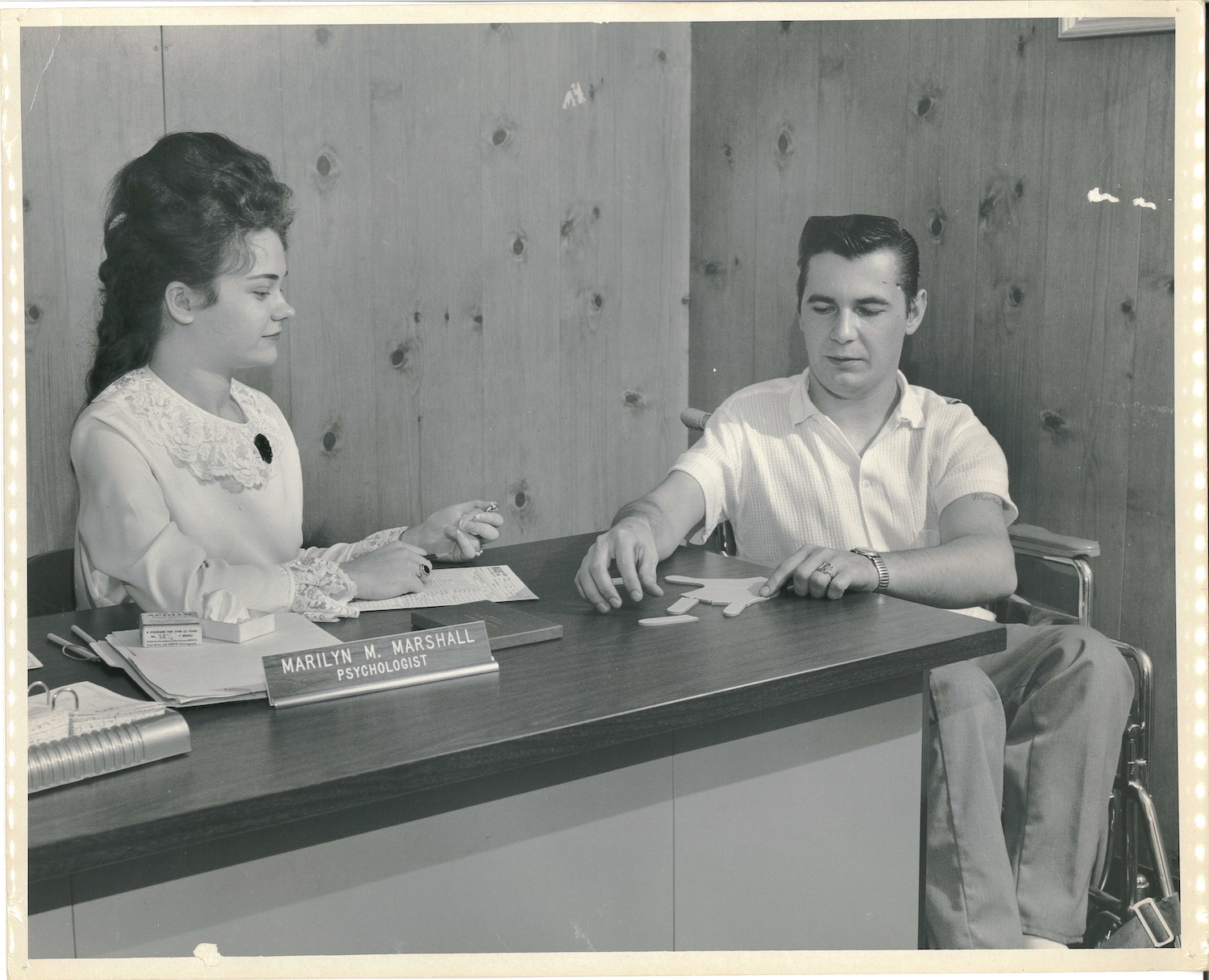
In the late 1960s, Curative establishes a psychosocial department, the first day care programs for people with severe disabilities, and the Older American Program (OAP).
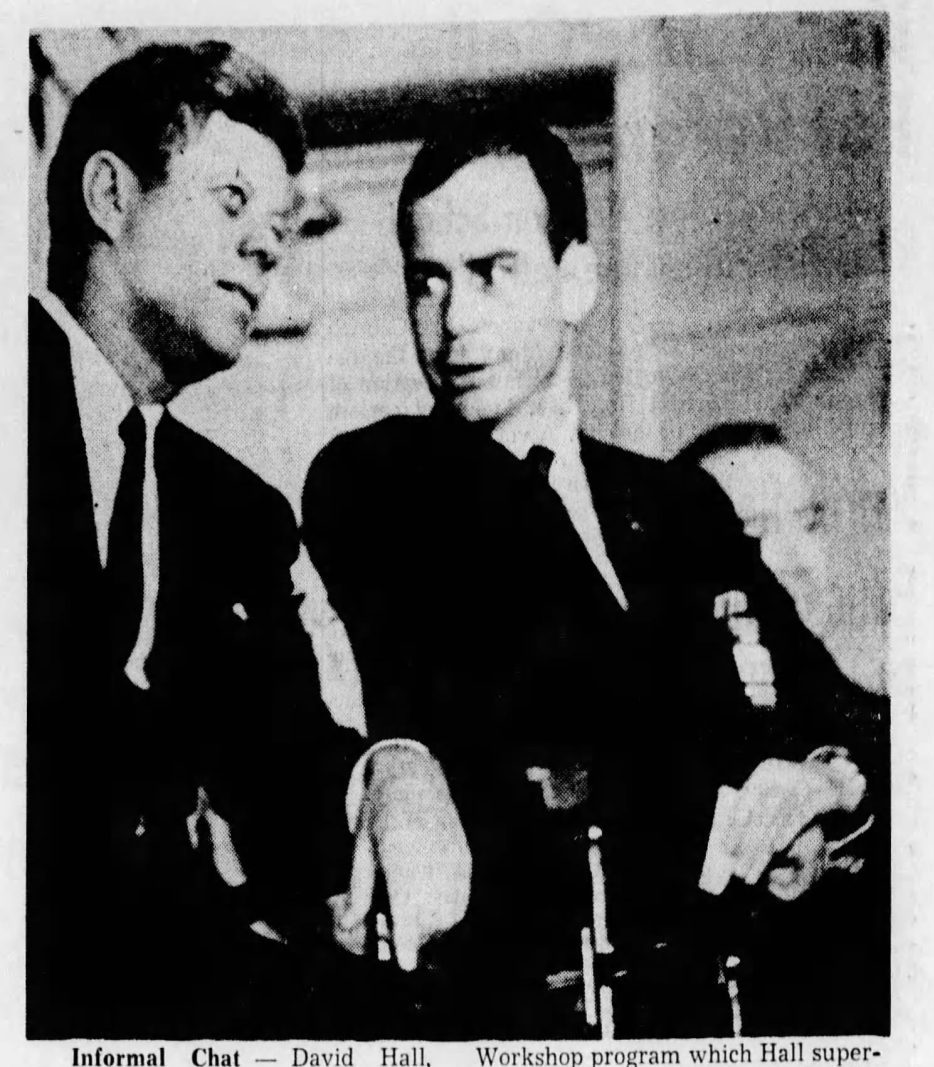
David Hall is recognized by President John F. Kennedy as the Disabled Person of the Year.
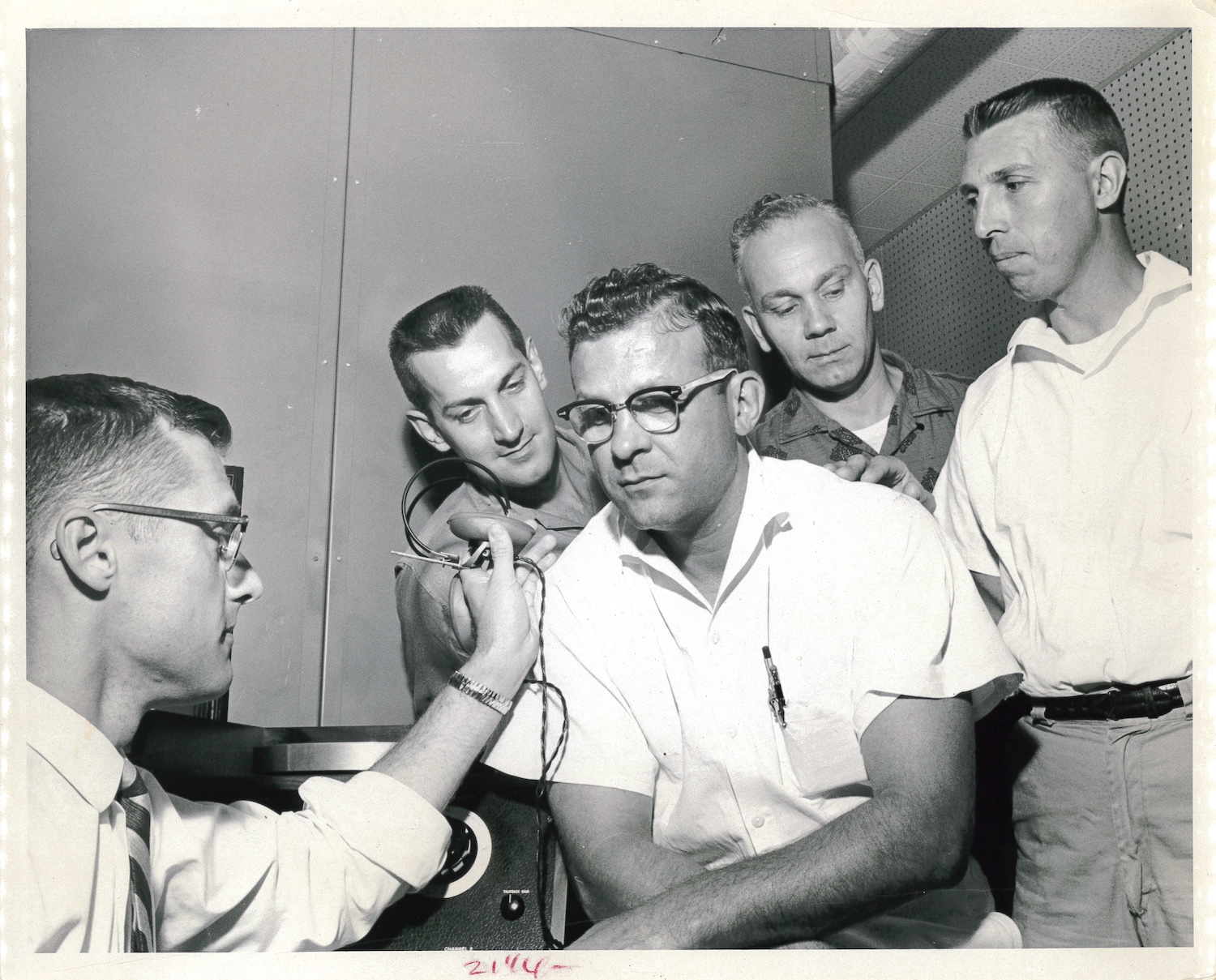
David Hall joins Curative staff in the late 1950s. Dave is instrumental in developing Sheltered Industries
Speech therapy and audiological services were added.
With coordination from various community groups, businesses and labor unions, the new Curative facility on South Webster opened.
Following discussions with community organizations and government agencies, the board of directors decides to expand Curative’s services to include all disability groups.
A new facility is built to provide more services.
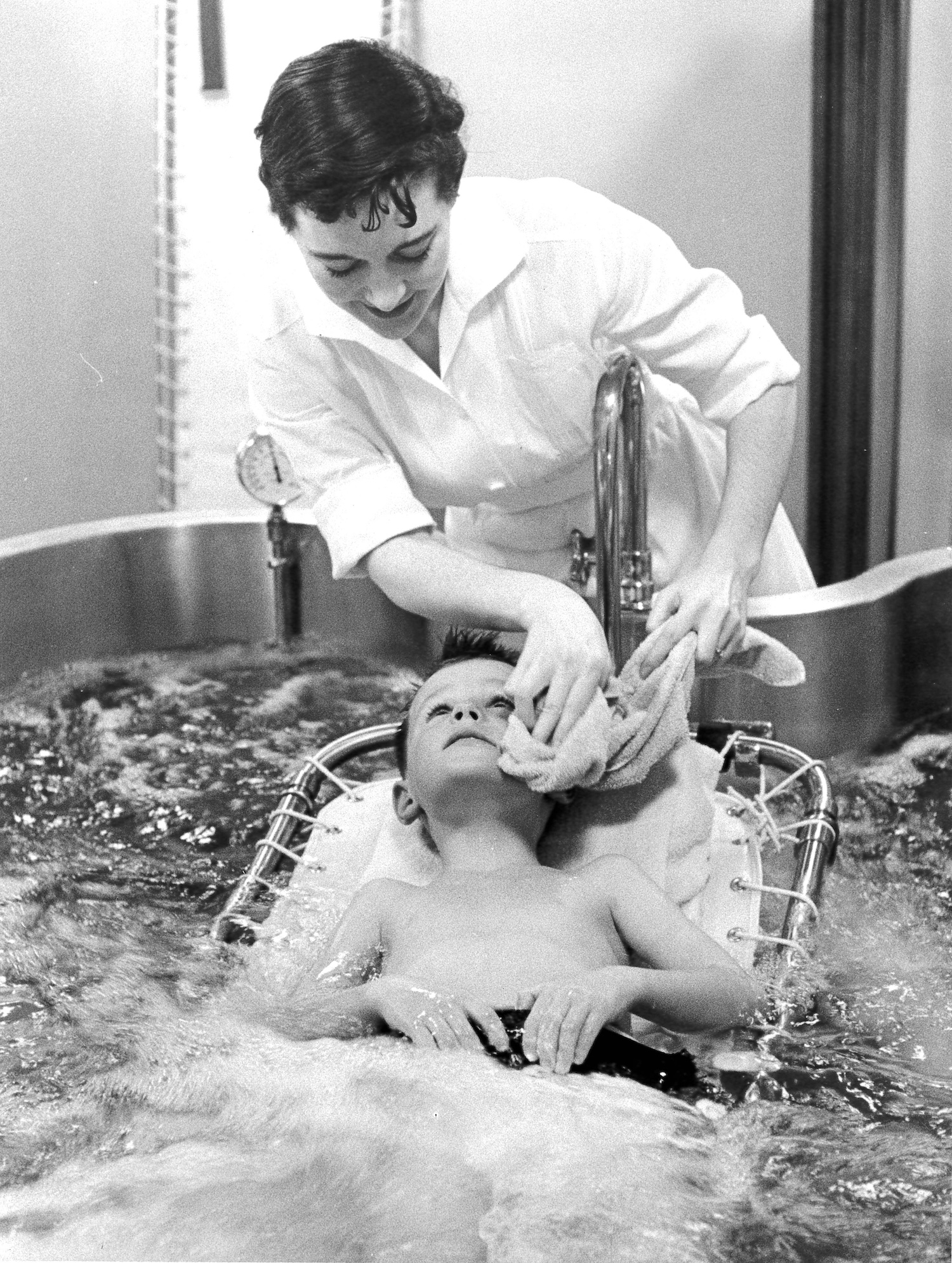
Curative opens its doors on January 2 at 1001 Cherry Street in Green Bay. Approximately 200 individuals, mainly people affected by polio, received physical therapy the first year of operation.
Interest in creating a facility to provide therapy began in a meeting of the Brown County Welfare Council. After a study determined a facility was feasible in Green Bay, the Altrusa Club and other organizations established Curative Rehabilitation Center.